Managing Fatigue and Shortness of Breath During Lung Cancer Chemotherapy
Fatigue and shortness of breath are two of the most common side effects of lung cancer chemotherapy. This guide explains why they happen and shares practical strategies that may help you cope day to day.
Updated on Jun 5, 2026
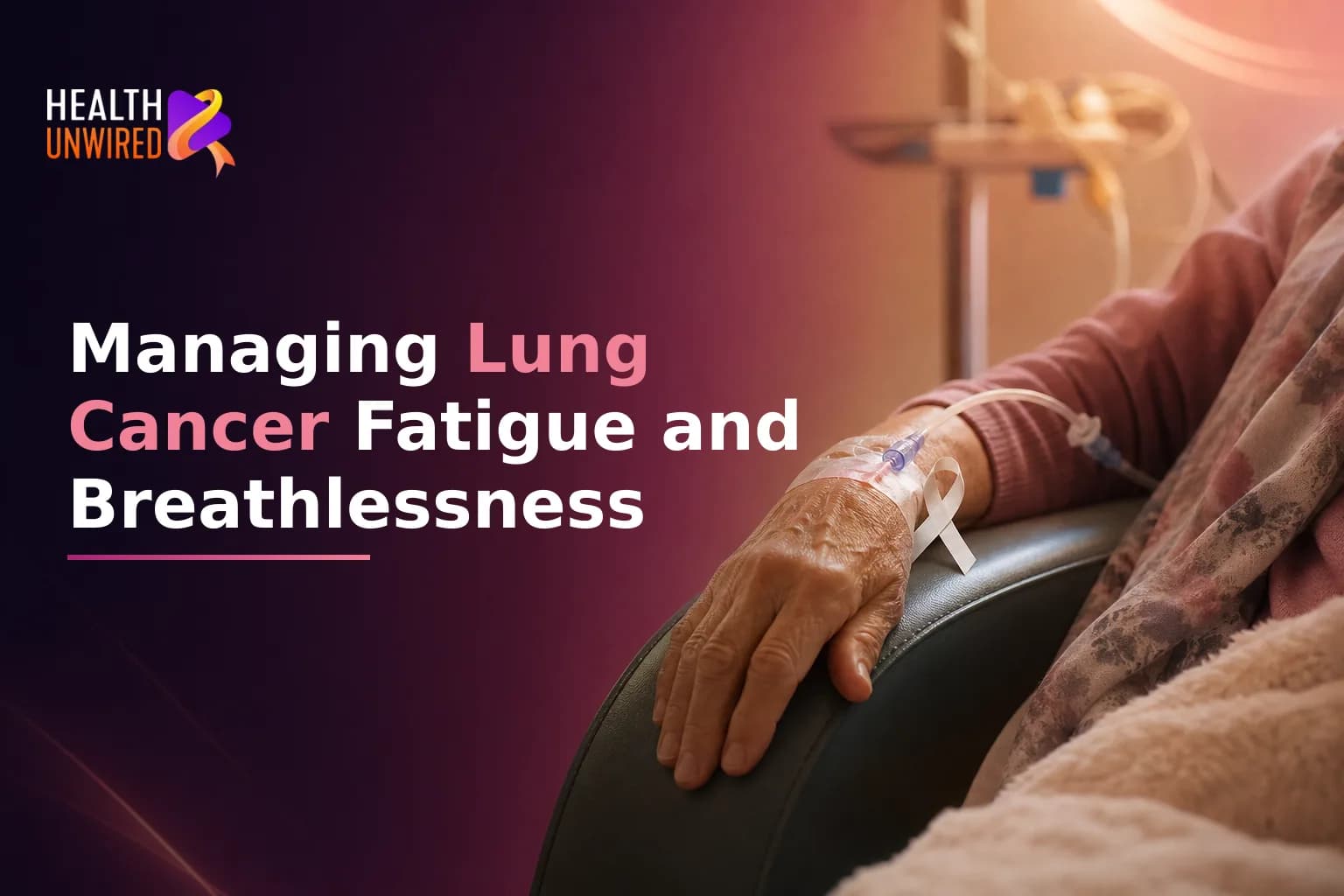
If you or someone close to you is going through chemotherapy for lung cancer, you know how tiring each day can feel. Two common side effects are fatigue and shortness of breath. They can happen alone or together, from mildly annoying to very disruptive. Understanding why they happen and what may help can improve your quality of life during treatment.
Why Chemotherapy Causes These Symptoms
Chemotherapy targets fast-growing cells in the body. While its goal is to slow or stop cancer growth, it also affects healthy cells. The result is a drop in red blood cells, a condition called anemia. Red blood cells carry oxygen from the lungs to every part of the body. When chemotherapy reduces those cells, your body gets less oxygen with each breath. This can leave you feeling tired and breathless, even when resting. Cancer Research UK notes that chemotherapy can cause red blood cell levels to fall, which may lead to both tiredness and breathlessness.
Beyond anemia, lung cancer itself can affect how well the lungs work. A tumor may narrow an airway. Fluid may build up around the lungs (called pleural effusion). Inflammation, disrupted sleep, poor nutrition, and emotional stress can make this worse. Each of these factors can make fatigue and breathlessness feel worse, and they often act together.
What Is Cancer-Related Fatigue?
Cancer-related fatigue is not the same as ordinary tiredness. The National Cancer Institute describes it as one of the most common and distressing side effects of cancer and its treatment. It can affect your body, mind, and emotions.
Some people describe it as a heaviness that sleep doesn't help. On a hard day, even getting dressed or making a drink can feel like huge tasks. This doesn't mean treatment is failing. Your body is going through major physical stress. Many people notice that fatigue follows their treatment cycle. It's worst in the two to four days after chemotherapy, then slowly gets better before the next one. Keeping a simple energy diary can help you spot this pattern and plan your days around it.
Practical Ways to Manage Fatigue
There are several approaches that may help reduce the impact of cancer-related fatigue. Always check with your care team before making changes to your routine.
- Pace yourself around your energy highs. Notice when you feel most awake. Many people feel best mid-morning. Do your important tasks then, and rest when your energy is low.
- Rest wisely. Short 20 to 30-minute breaks help more than staying in bed for long. Too much rest can make fatigue worse and cause muscle weakness.
- Try gentle movement. Light activity may help. The American Cancer Society notes that exercise, including walking, may help people with cancer feel better and have more energy during and after treatment. Even a slow five-minute walk is a good start. Always ask your doctor before changing your activity level.
- Eat small, regular meals. Your body needs fuel to handle treatment. Small meals or snacks every few hours are easier than three large meals. Choose protein-rich foods like eggs, fish, beans, or chicken to support muscle strength and steady energy.
- Drink enough fluids. Dehydration makes fatigue worse. Sip water or other fluids throughout the day unless your doctor has advised otherwise.
- Protect your sleep. A regular bedtime, a comfortable dark space, and limiting screens before bed can help. If sleep is still a problem, tell your care team. There are options.
- Explore mind-body practices. Gentle practices such as yoga, tai chi, and guided relaxation may reduce fatigue for some people with cancer. These can also ease stress and help emotional health.
- Let others help. Ask friends and family to handle cooking, errands, and household tasks. Saving energy for what matters most to you can help you feel better each day.
What Is Shortness of Breath (Dyspnea)?
Shortness of breath, also called dyspnea, is the feeling that you can't catch your breath or that breathing takes effort. It can build up slowly or start suddenly. It may be worse when you move around or lie flat. It may feel like chest tightness, not getting enough air, or knowing that each breath takes effort.
The American Cancer Society explains that shortness of breath can limit daily activities and may worsen fatigue, anxiety, and depression. It's important to address breathing problems early instead of ignoring them.
In people undergoing lung cancer chemotherapy, the possible causes of breathlessness include anemia, fluid around the lungs, changes to airways from the tumor, reduced fitness from less activity, and anxiety. Your care team can help find what's causing your breathlessness and recommend the best approach.
Practical Ways to Manage Shortness of Breath
While your medical team can work on the underlying cause, these self-care strategies may help ease breathlessness day to day.
- Practice diaphragmatic breathing. Cancer Research UK describes a technique called relaxed tummy breathing, or diaphragmatic breathing. Instead of taking fast, shallow breaths from your upper chest, breathe slowly and deeply from your belly. Place one hand on your abdomen. Breathe in through your nose and feel your belly rise. Then breathe out slowly through your mouth. This helps your lungs take in air better and may reduce breathlessness.
- Find a helpful position. Sitting upright or leaning slightly forward with your hands on your knees or a table can open up the airways. Many people find that lying flat makes breathlessness worse. Propping yourself up with extra pillows at night may help.
- Try a handheld fan. Pointing a small fan at your face may help ease breathlessness. Palliative care teams use this technique for comfort.
- Move slowly and plan ahead. Rushing or doing too much at once can bring on breathlessness. Break tasks into smaller steps and move at a calm pace.
- Address anxiety around breathlessness. Fear and breathlessness can feed each other. When breathing gets hard, anxiety can rise and make breathing harder. Slow, controlled breathing and relaxation can help break this cycle.
- Reduce environmental triggers. Strong perfumes, smoke, and very cold air can irritate airways. Try to stay in well-ventilated, comfortable spaces.
How These Two Symptoms Affect Each Other
Fatigue and breathlessness are closely connected. When your body isn't getting enough oxygen, every task takes more energy. When you're tired, breathing may feel harder. The two symptoms can form a hard-to-break cycle.
Managing both together works better than treating them as separate problems. Addressing anemia, staying gently active, learning breathing techniques, eating well, and getting good sleep can help ease both symptoms over time. Some days will be harder than others. That's normal during treatment. Tracking how you feel can help you and your care team adjust your plan.
The Emotional Side of These Symptoms
Living with constant tiredness and struggling to breathe is physically demanding. It can feel frightening and isolating. Many people going through chemotherapy describe frustration, grief for their former energy and independence, and worry about what lies ahead. These feelings are real, valid, and very common.
Talking with a counselor, cancer support worker, or others who've been through the same thing can help you feel less alone. Support groups, whether in person or online, may offer comfort and practical tips from people who understand. If you're a caregiver supporting a loved one through lung cancer treatment, these demands are big for you too. Our article on supporting your partner through cancer treatment can help with the emotional and practical challenges.
How Your Care Team Can Help
You don't have to manage these symptoms alone. Your oncologist, specialist nurses, and care team can offer medical options beyond self-care. These may include treating anemia, a referral to pulmonary rehabilitation, medications to ease breathlessness, or palliative care. Palliative care isn't just for the end of life. It focuses on relieving symptoms and improving quality of life at any time during treatment.
Be open with your care team about how fatigue and breathlessness are affecting your life. If these symptoms are making treatment hard to handle, there may be adjustments or extra support available. Your comfort and quality of life during treatment matter, and your care team wants to know when things feel unmanageable.
When to Talk to Your Doctor
Always tell your care team if fatigue or breathlessness is getting worse or is no longer manageable at home. Seek medical attention right away if you notice any of the following:
- Sudden or severe shortness of breath
- Chest pain or tightness alongside breathlessness
- Dizziness, fainting, or sudden confusion
- Breathlessness that is worsening over several days
- Fatigue so severe that you cannot get out of bed or care for yourself
- Pale or bluish skin around the lips or fingernails
- A rapid or irregular heartbeat
These may be signs of a condition that needs prompt medical attention. Never wait and hope a serious symptom will resolve on its own.
This article is for general information and is not a substitute for medical advice. Always consult your oncologist or care team about your specific situation.
Frequently Asked Questions
Read the full guide
Similar Topics
Managing Chemo Brain and Cognitive Changes During Lung Cancer Treatment
Chemo brain is a common but often overlooked side effect of lung cancer treatment. Learn what causes cognitiv…
HealthUnwired Team
Jun 5, 2026
Chemotherapy-Induced Neuropathy: Why It Happens and How to Find Relief
Nerve damage from chemotherapy — known as CIPN — is one of the most common side effects of colorectal cancer …
HealthUnwired Team
Jun 5, 2026
Lung Cancer Treatment in India for Pakistani Patients
Pakistani patients seeking specialist lung cancer care can access quality treatment in India at significantly…
HealthUnwired Team
Sep 11, 2026